Notice: Function _load_textdomain_just_in_time was called incorrectly. Translation loading for the acf domain was triggered too early. This is usually an indicator for some code in the plugin or theme running too early. Translations should be loaded at the init action or later. Please see Debugging in WordPress for more information. (This message was added in version 6.7.0.) in /home1/sintro51/public_html/wp-includes/functions.php on line 6170

Notice: Function _load_textdomain_just_in_time was called incorrectly. Translation loading for the molongui-authorship domain was triggered too early. This is usually an indicator for some code in the plugin or theme running too early. Translations should be loaded at the init action or later. Please see Debugging in WordPress for more information. (This message was added in version 6.7.0.) in /home1/sintro51/public_html/wp-includes/functions.php on line 6170
Theory Of Change

Theory Of Change

Currently, we live in a scenario of constant degradation of the Brazilian biomes and loss of biodiversity. The production, economic development and environmental conservation are placed as antagonists.


Aiming at reverting this scenario and meeting the challenge proposed by UN in the Decade on Ecosystem Restoration 2020-2030, we sought to perform a necessary change to show that it is possible to unite production with conservation and value those working for this purpose.


Imagem Sintropica

How To Make This Necessary Change?

By implementing innovative models of Payments for Environmental Services (PES), that seek to promote:


  • Income generation from the provision of environmental services;
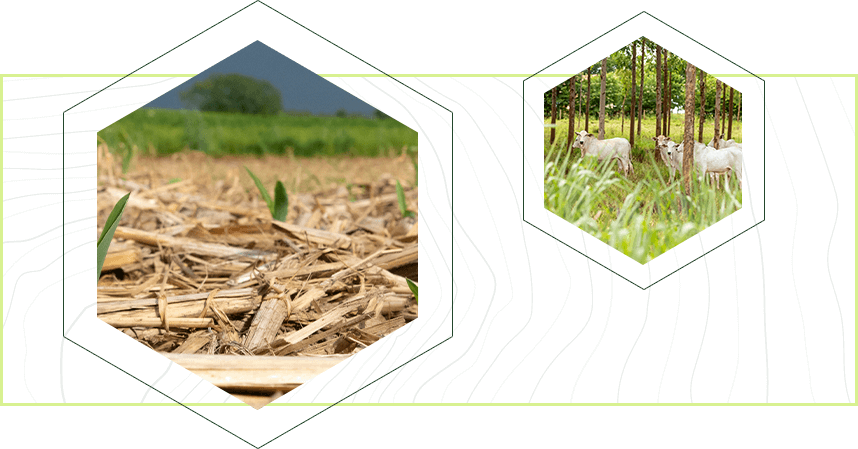
  • Adoption of sustainable handling practices, creating numerous benefits, such as:
  • Reduction of the emission of greenhouse gases in degraded pastures
  • Extension of carbon sequestration in soil
  • Increase of productivity through better handling practices
  • Improvement of soil quality
  • Increase of soil biodiversity in forest and marine ecosystems
  • Implementation of Nature-Based Solutions (NBSs)
  • Rural property appreciation
  • Restoration of degraded areas
  • Hydrologic balance maintenance
  • Education Promotion for Conservation
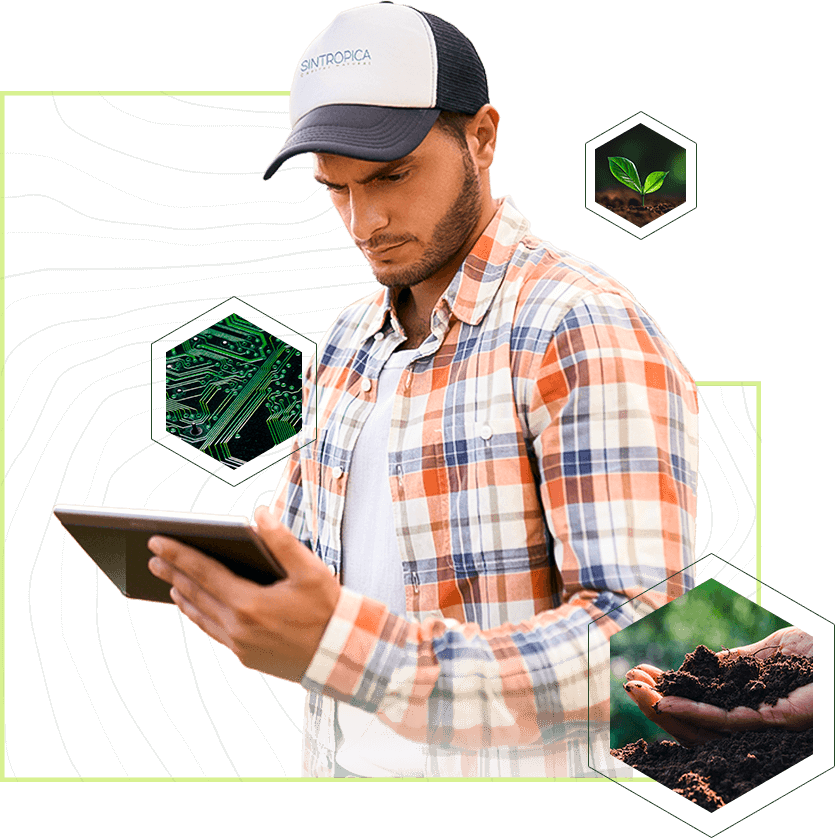
To implement these PES models, it is necessary to measure, assess, monitor and report to payers on the results of the provided services with the use of technologies and assessments based in environmental and economic sciences.
With the implementation of these models, we integrate the areas to be restructured and protected with potential investors, supporting the restoration and conservation of thousands of hectares of land in the different Brazilian biomes and marine ecosystem.
Imagem Sintropica